








Source: Base Camp Himalayas
There are few journeys on Earth as awe-inspiring as trekking to Everest Base Camp. Whether you're a first-time adventurer or returning to Nepal’s towering peaks, preparation is everything — and the gear you bring can make or break the experience.
At high altitudes, conditions are harsh, trails are demanding, and the weather can change in an instant. Having the right equipment isn’t about looking the part; it’s about staying safe, warm, and capable from the moment you leave Kathmandu to your final steps into Base Camp.
Why the Right Gear Matters
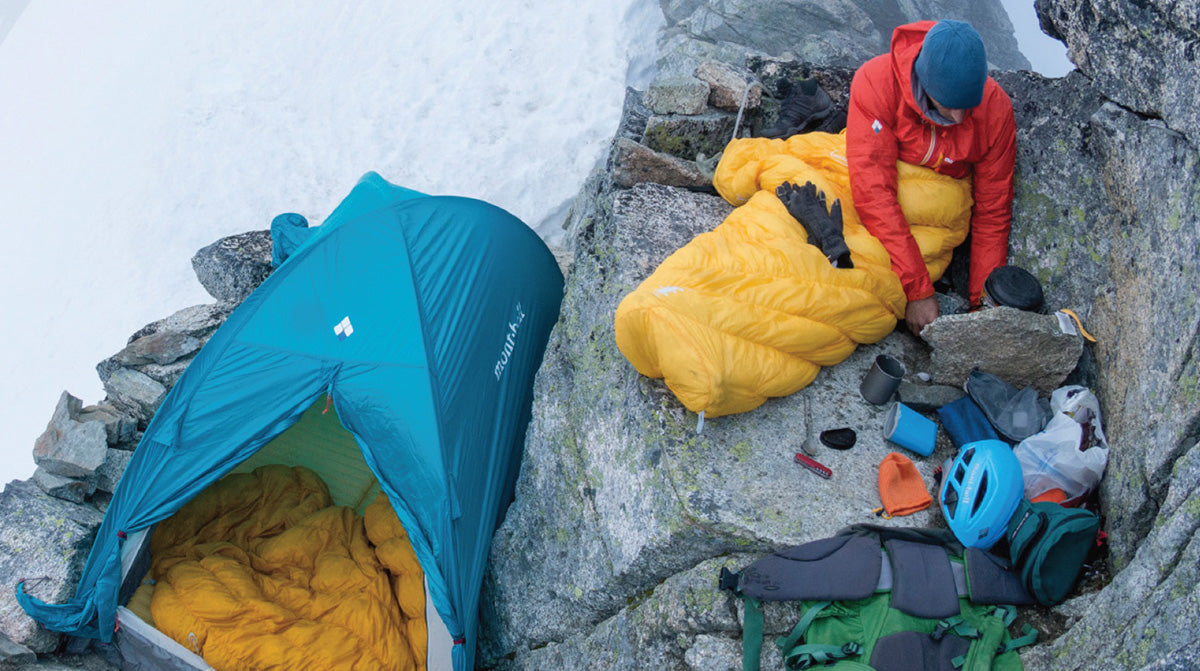
Altitude, cold, sun exposure, and physical fatigue all take their toll in the Himalayas. Trekkers need to pack smart and light, ensuring every piece of gear serves a clear purpose. From ankle-support trekking boots to a reliable headlamp for early starts, each item should earn its place in your pack.
Essential Gear for the Himalayas
Below are the must-have items for trekking to Everest Base Camp, all available at Larry Adler Ski & Outdoor.
1. Trekking Boots
A pair of well-broken-in, waterproof trekking boots with solid ankle support is your most critical item. Blisters, poor grip, or lack of stability can end a trek early — comfort and performance are essential.


2. Down Jacket
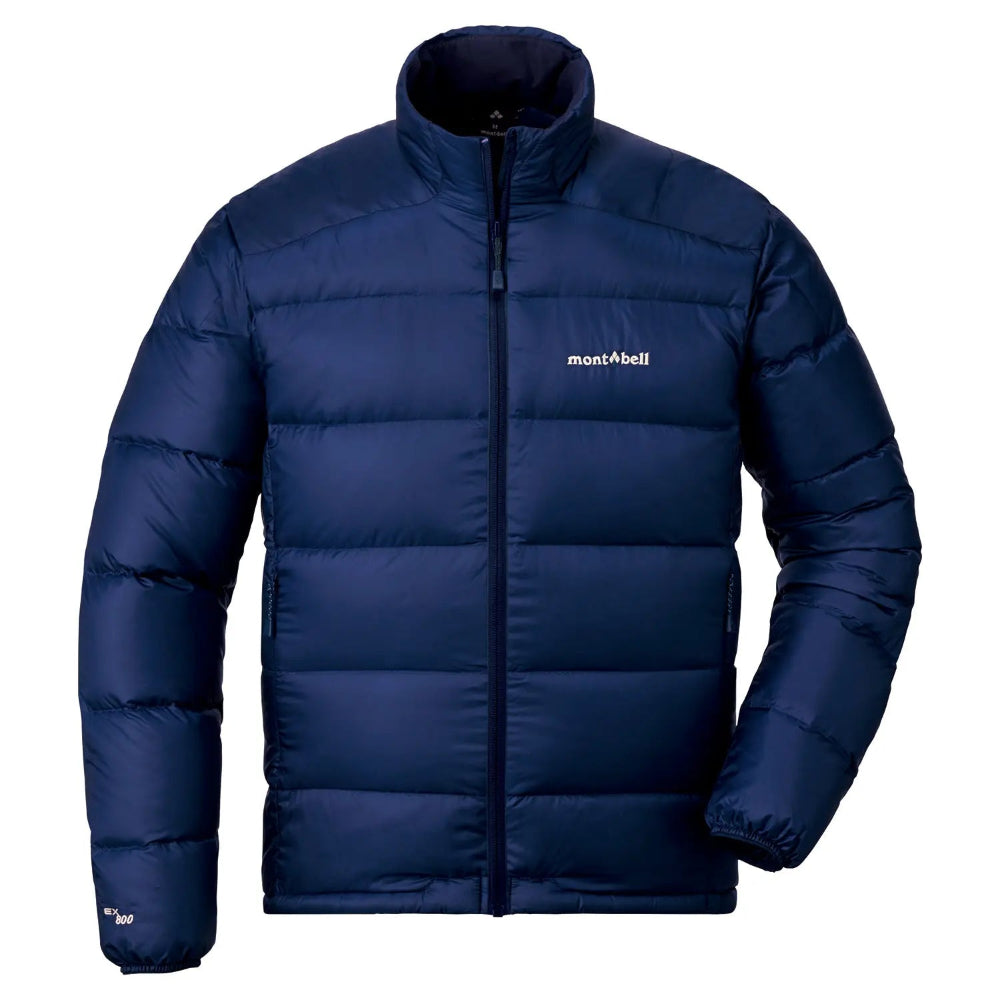
Temperatures at altitude drop rapidly, especially early in the morning and after sunset. A lightweight, compressible down jacket keeps you warm without adding unnecessary weight to your pack.


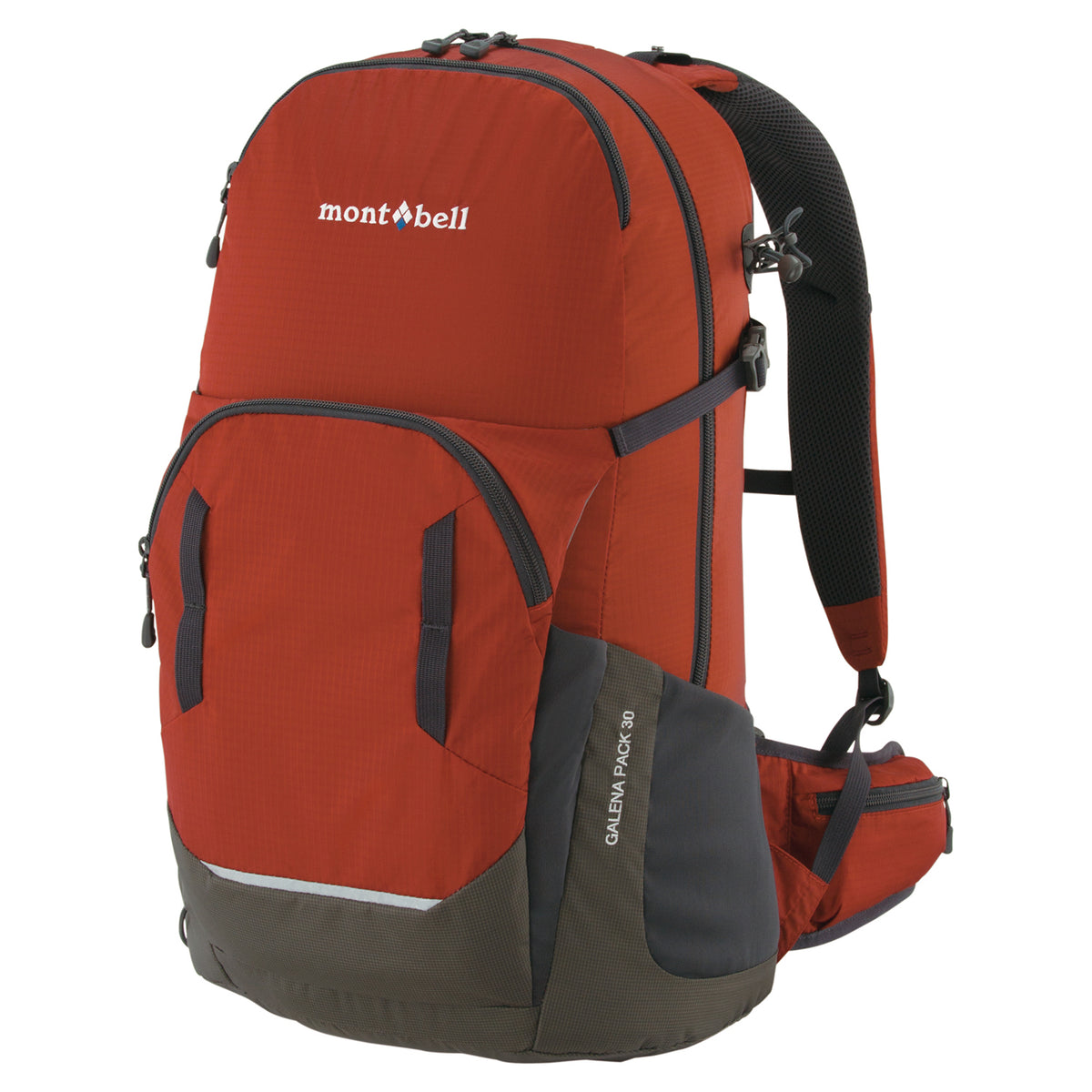
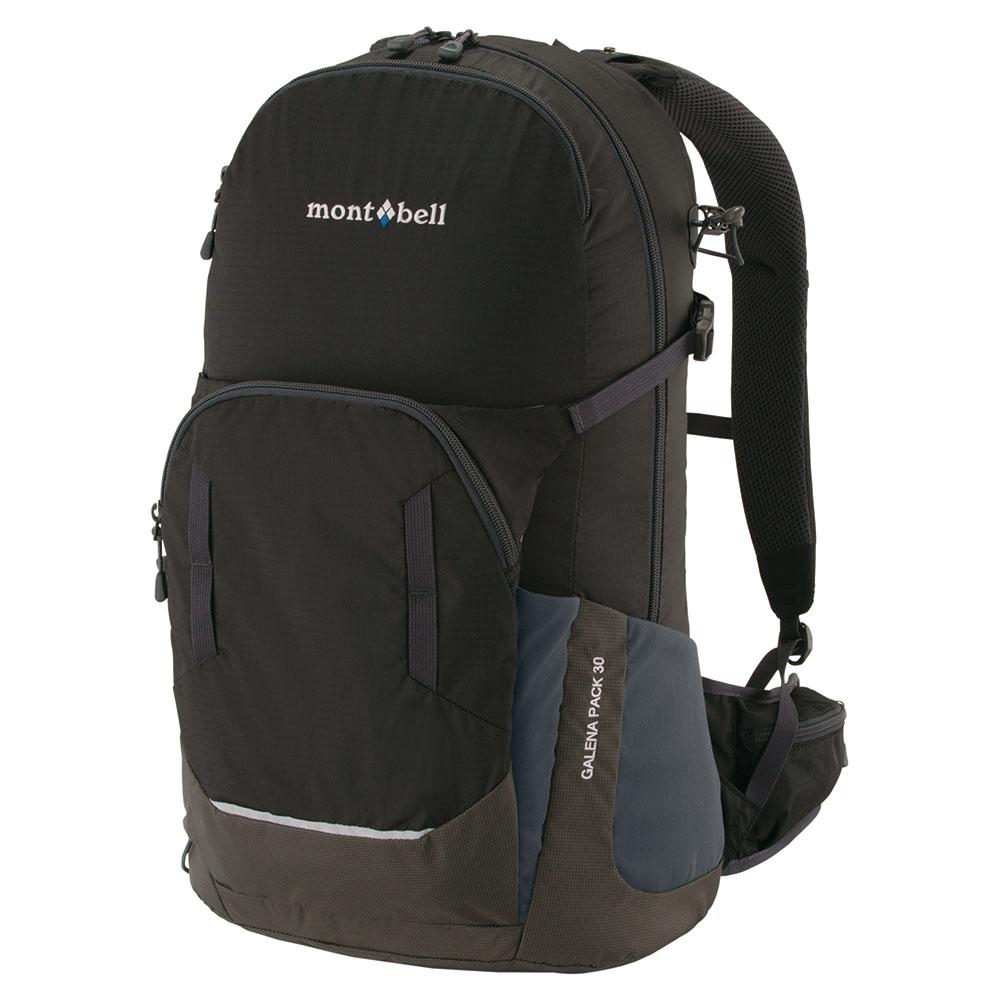
Source: Base Camp Himalayas Trekking poles reduce strain on knees, improve balance, and provide extra stability — particularly on steep descents and uneven terrain. A comfortable, lightweight daypack (30–40L) is essential for carrying water, layers, snacks, and daily essentials. Look for padded shoulder straps and a supportive waist belt.
3. Trekking Poles4. Daypack



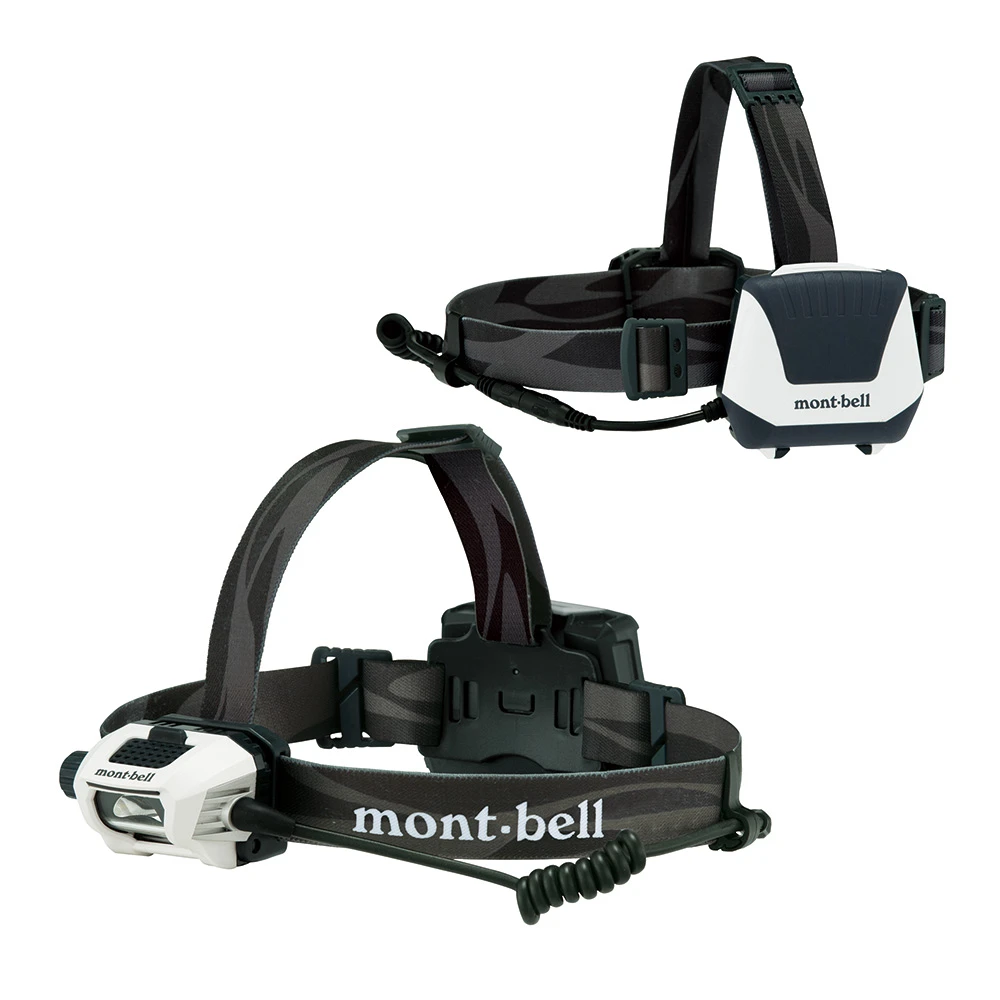
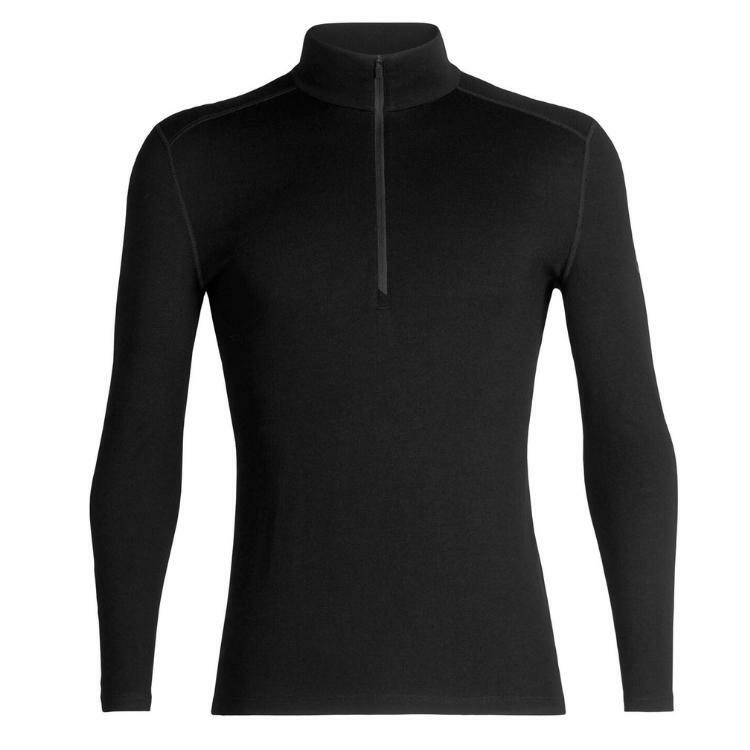
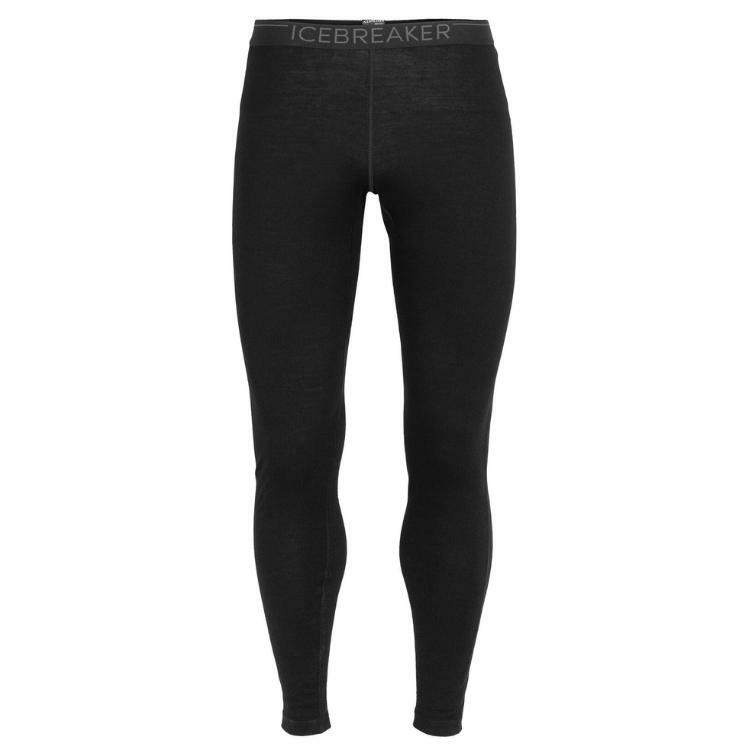
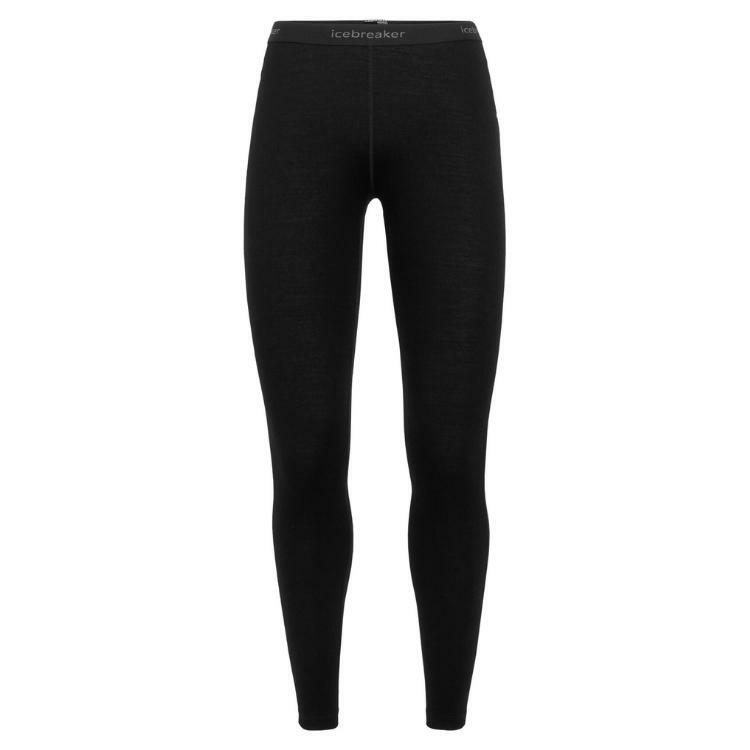
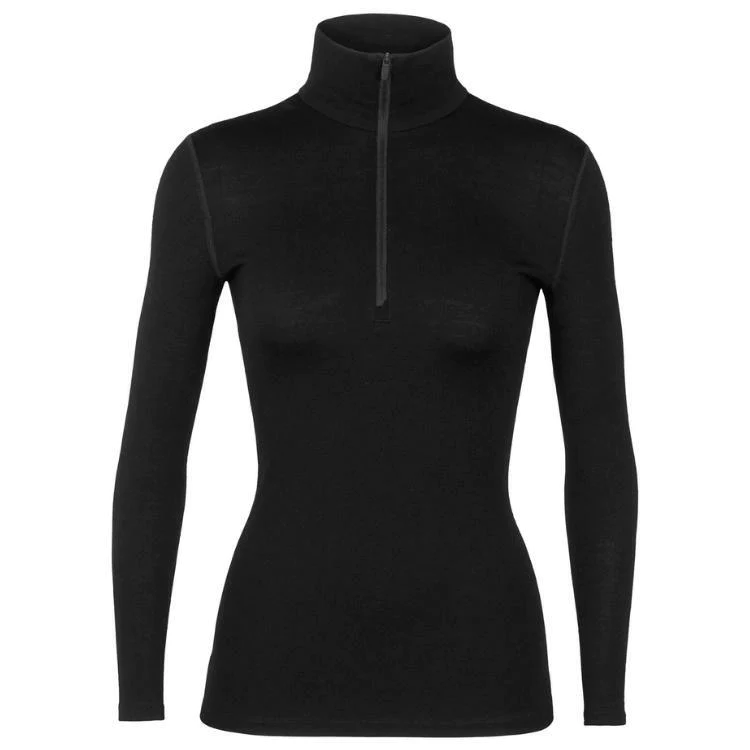
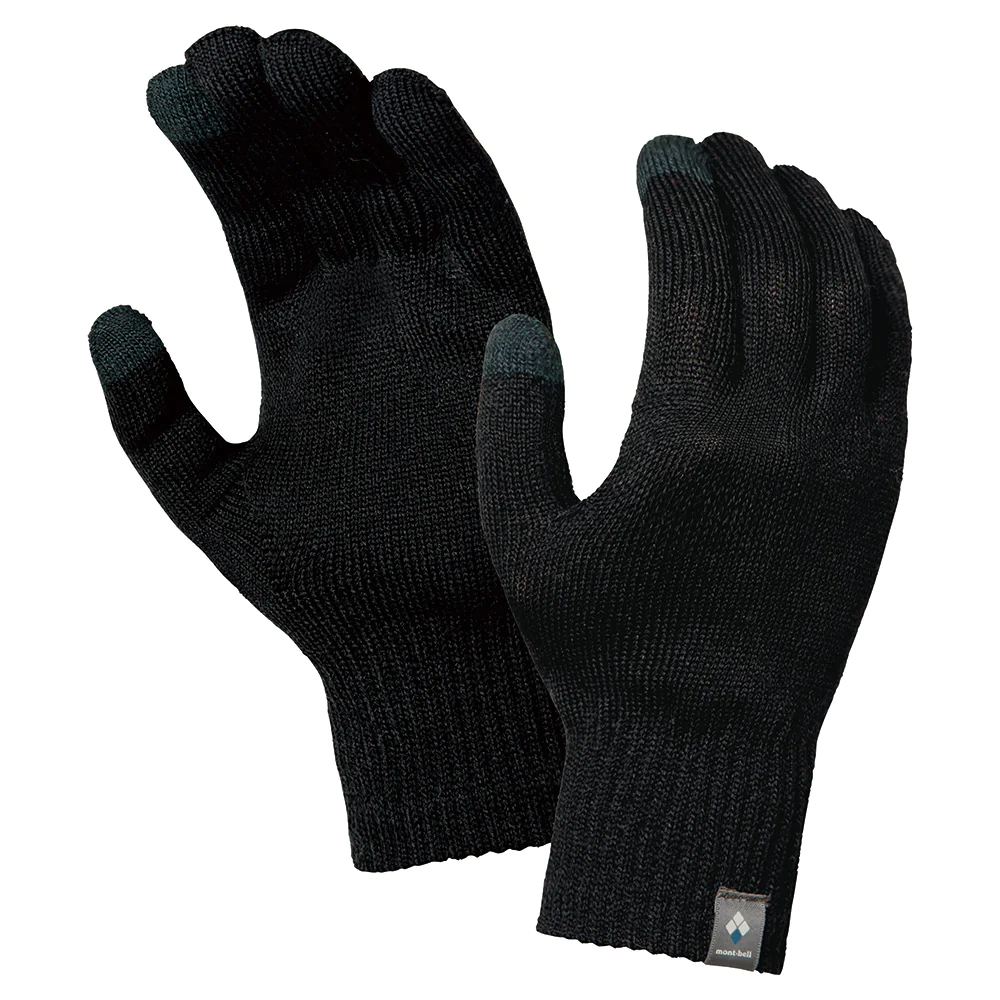
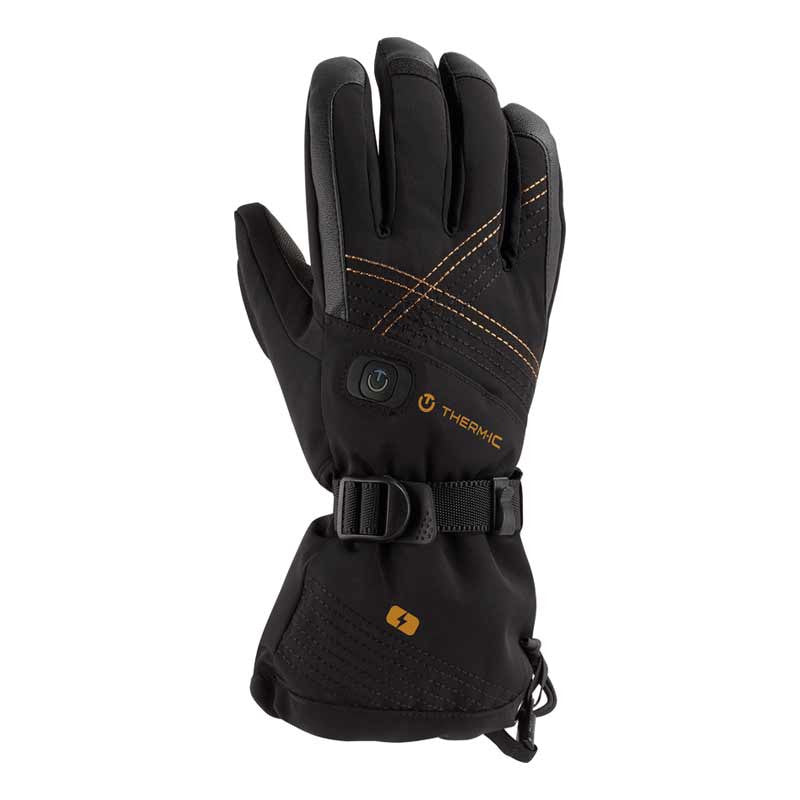
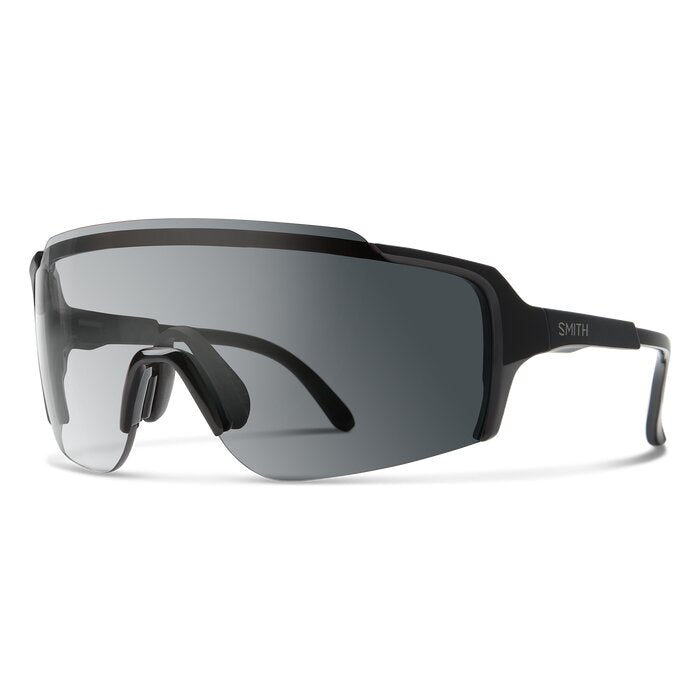
Source: Base Camp Himalayas Early morning starts and limited electricity at tea houses make a headlamp essential. Choose one with strong battery life and a red-light mode for night use. Merino or synthetic thermal base layers regulate body temperature, while having both lightweight and insulated gloves ensures comfort in changing conditions. UV exposure is intense at altitude. Category 3 or 4 sunglasses and high-SPF sunscreen are essential for protecting your eyes and skin.5. Headlamp
6. Base Layers & Gloves
7. Sunglasses & Sunscreen

Source: Base Camp Himalayas
Expert Local Guidance
While quality gear is essential, choosing an experienced trekking operator is just as important. We recommend going with a professional company such as Base Camp Himalayas, a boutique, Sydney-based Australian-Nepalese team offering guided treks through Nepal’s most iconic regions.
Their Everest Base Camp itineraries prioritise proper acclimatisation, safety, and meaningful cultural immersion throughout the journey.
Base Camp Himalayas is a boutique, Sydney-based company offering all-inclusive, guided treks through Nepal’s most iconic regions—Everest, Annapurna, Langtang, and Manaslu. They specialise in high-altitude cultural trekking through remote villages, where adventure meets meaningful connection with local communities.
They welcome anyone with a dream to trek the Himalayas and proudly offer women-only treks led by inspiring female guides. Every journey supports local charity initiatives focused on children’s education and creating better opportunities for women in Nepal. Every step gives back.

Source: Base Camp Himalayas
Final Thoughts
Preparation leads to better performance. Gear that fits well, withstands tough conditions, and keeps you comfortable makes the trek safer and far more enjoyable.
Before you fly, visit one of our stores or browse online to kit yourself out properly.
The Himalayas reward those who are ready.